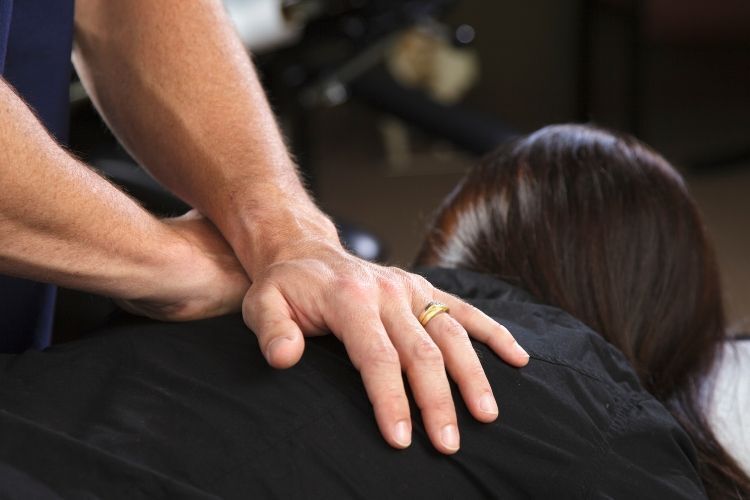
If the thought of a chiropractor twisting your spine, followed by a loud pop, has kept you from booking a visit, you have another option. QSM3 chiropractic works toward the same goal of a more comfortable, better-aligned body, but it gets there with a very different touch. At Stern Family Spinal Care in Sunnyvale, Dr. Jamie Stern, DC, brings more than 20 years of experience to this gentle technique.
Here is how a typical adjustment works, what changes with QSM3, and what a first visit looks like.
What Typical Chiropractic Care Looks Like
A typical visit starts with a health history and a physical exam, followed by the adjustment itself. Many chiropractors also suggest stretches, exercises, or changes to daily habits, and care is often scheduled as a series of visits.
The adjustment is usually a quick, controlled thrust to a joint, often in the spine, meant to improve how it moves. That movement can produce the popping sound many people associate with chiropractors, which is commonly attributed to gas shifting in the joint fluid. There are several types of chiropractic adjustment beyond the classic thrust, including instrument-assisted and table-assisted methods, and plenty of patients do well with each of them. Our guide to the chiropractic adjustment walks through common chiropractic adjustment techniques in more detail.
Traditional adjustments have a long track record in clinics everywhere, and many people like the quick, hands-on feel of them. The sound is not a sign that anything is wrong, and the choice between approaches usually comes down to comfort and preference. Whichever style you pick, look for a licensed chiropractor who explains what they are doing and why.
What Is QSM3 Chiropractic?
QSM3 stands for Quantum Spinal Mechanics 3. QSM3 chiropractic is built on tensegrity, the idea that your spine is held in place by balanced tension from muscles, fascia, and ligaments, a bit like the guy lines that steady a tent pole.
A fall, a car accident, or years of repeated strain can shift that tension. Your body compensates to keep you upright, and those compensations may contribute to back pain, neck pain, headaches, sciatica, and TMJ discomfort. Dr. Stern addresses these patterns with a light touch at several points along the neck. You can read more about the technique on our page for QSM3 chiropractic and energy healing.
How QSM3 Chiropractic Differs From Traditional Chiropractic
Three differences show up from the very first visit.
Gentle Touch Chiropractic, With No Twisting or Cracking
The technique itself is the most obvious change. A QSM3 chiropractor positions your head with care and applies extremely light pressure to specific points on the neck. Nothing is twisted, popped, or cracked. For anyone searching for a chiropractor with no cracking, that is the main appeal of gentle chiropractic techniques like this one.
A Posture Assessment Comes First
Before any correction, Dr. Stern measures your posture with the Posture IQ device. The reading looks at your posture in three dimensions, including how your body has adapted to gravity over time. That information shapes the correction, so your care follows your own pattern.
One Correction, Whole-Body Focus
Rather than working on one stiff joint at a time, QSM3 aims to release tension patterns across the body from a single gentle correction. Dr. Stern uses this approach for long-standing pain, where the sore spot may be linked to patterns somewhere else entirely.
How to Decide Between Gentle and Traditional Chiropractic Care
Start with how you feel about the adjustment itself. If the idea of a quick thrust makes you tense up, a lighter technique is worth a look. Your history matters too. Pain that has lasted for years, that moves around, or that began after a fall or car accident may call for an approach that studies the whole body rather than one joint.
Then think about what you want from care. Some people want a short course for one specific problem. Others want to understand why the pain keeps coming back. A consultation gives you room to ask questions before you commit to anything.
If QSM3 chiropractic is on your shortlist, bring a few questions with you. Ask what the first visit includes, how your posture and pain will be tracked over time, and when the plan will be reviewed. Ask what to expect in the days after a visit and who to contact if something feels off between appointments. A good practitioner welcomes these questions, and the answers tell you a lot about how care will feel.
Who May Be a Good Fit for Gentle Chiropractic Care
Dr. Stern offers QSM3 for a range of concerns, including:
- Stiff, sore necks from posture, desk work, or old injuries, which we cover on our neck pain chiropractor page
- Frequent headaches and migraines, which we cover under natural headache treatment
- Pain that has stuck around for months or years, which we cover under chronic pain management
- Vertigo, TMJ discomfort, and postural asymmetries
- Sleep difficulties and widespread pain such as fibromyalgia, which patients with complex, long-term health histories sometimes bring to Dr. Stern
Results vary from person to person. Sudden severe pain, numbness, weakness, or symptoms after a serious injury call for a medical evaluation first.
What to Expect at Your First QSM3 Chiropractic Visit in Sunnyvale
Your first visit is a free consultation. Dr. Stern listens to your history, walks you through your posture results, and explains whether QSM3 fits your situation before you decide on a plan.
Before You Arrive
Bring a short list of past injuries, falls, and accidents, since trauma history shapes the way QSM3 reads your posture. Jot down when your symptoms started and what makes them better or worse. Those details give Dr. Stern more to work with at your consultation, and writing your own questions down ahead of time helps you leave with clear answers.
FAQs About QSM3 Chiropractic
Is QSM3 chiropractic painful?
QSM3 is described as painless and uses extremely light pressure. Tell Dr. Stern right away if anything feels uncomfortable.
Is gentle chiropractic as effective as traditional adjustments?
No single technique suits everyone. The better choice depends on your condition, your comfort level, and your goals, which you can talk through at a consultation.
How many QSM3 visits will I need?
That depends on your history and how your body responds. Dr. Stern outlines a plan after your posture assessment.
Is there a QSM3 chiropractor in Sunnyvale or San Jose?
Yes. Dr. Stern offers QSM3 at her Sunnyvale clinic and also sees patients from San Jose, Mountain View, Santa Clara, and Palo Alto.
Try QSM3 Chiropractic With a Free Consultation
Typical chiropractic care and QSM3 share a goal of better movement and less pain. The difference is the route, and the right one depends on your comfort, your history, and what you want from care. If a lighter touch appeals to you, book a free consultation with Dr. Stern at Stern Family Spinal Care in Sunnyvale and feel the difference for yourself. A short conversation about QSM3 chiropractic is often enough to settle what you were unsure about.